10 Reasons Polycarbonate Enclosures Are Ideal for Outdoor Applications
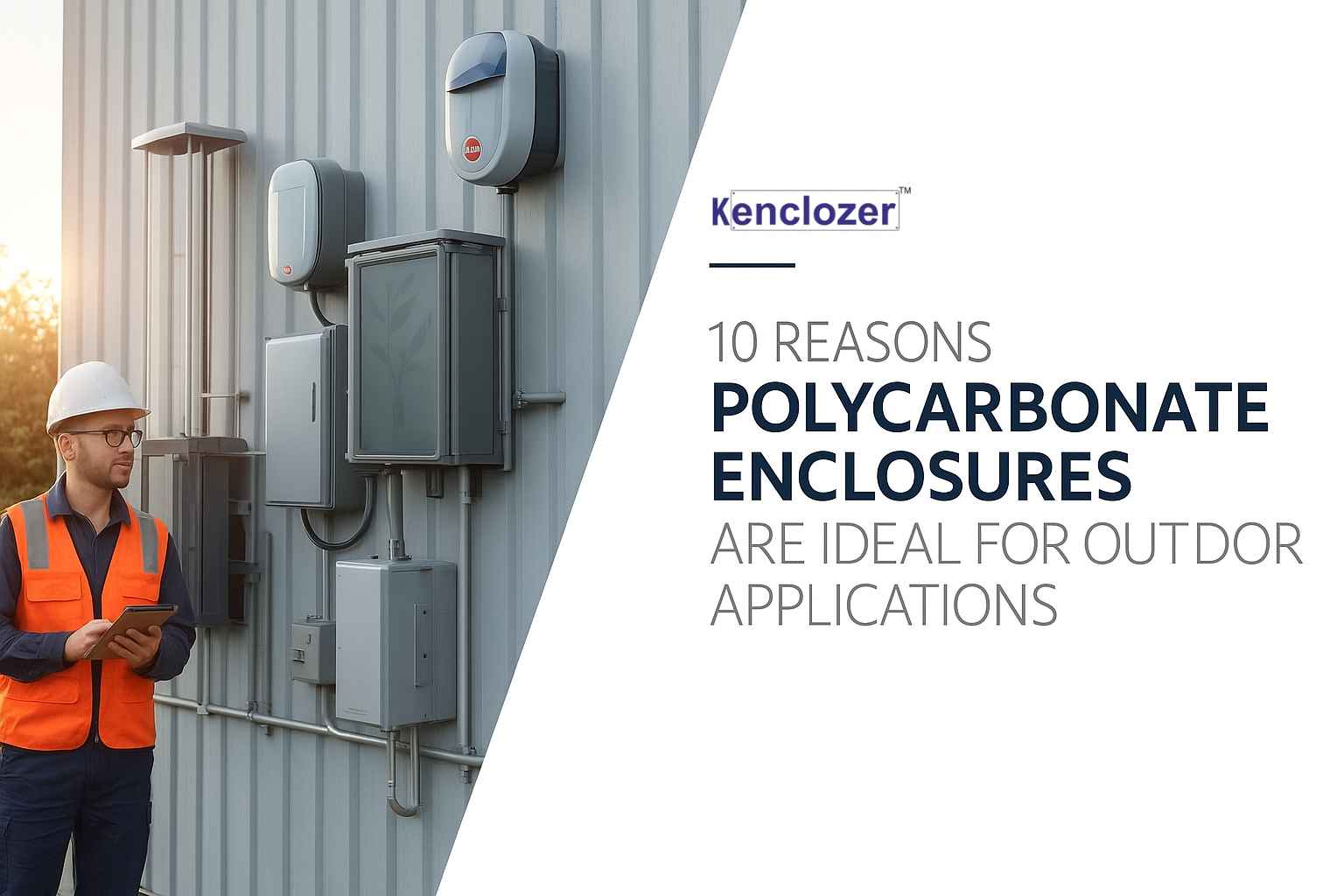
Outdoor electrical and electronic equipment face different kinds of challenges-severe weather, UV radiation, rust, dust, heavy hits, and even vandalism. It is very important to make the right choice of the enclosure if you want to keep your equipment safe, working, and reliable for a long time. Out of the various materials available nowaday-like metal, ABS, aluminium, and fiberglass-polycarbonate enclosures for outdoor applications seem to be the most reliable ones for outdoor conditions.
Polycarbonate is a very strong one of the major thermoplastics and is specifically known for its resistance to extreme environmental conditions of various kinds. No matter if the material is used to protect the components in polycarbonate enclosures for solar installations, polycarbonate enclosures for telecom equipment, automation systems, power distribution, agriculture, or IoT devices, polycarbonate electrical enclosure boxes are always on top of the game as compared to traditional materials.
We list the main 10 reasons why polycarbonate enclosures for outdoor use are perfect for outdoor applications in this article, next come the FAQs and the final part, which helps you to decide the right choice.
1. Exceptional Impact Resistance
Essentially polycarbonate is recognized for its out of the world impact strength with which glass is almost 200-250 times less strong and this material is far tougher than ABS or acrylic. Hence high-impact outdoor polycarbonate enclosures are of very long life even if they are employed in some harsh outdoor conditions.
They withstand:
- Accidental drops
- Strong physical impacts
- Heavy vibrations
- Equipment mishandling
- Harsh weather incidents like hail
Due to its hardiness, one of the major uses of polycarbonate is in the production of bullet-resistant glass and aircraft windows—basically, it is a strong protective agent for electricals.
2. Excellent UV and Weather Resistance
Outdoor places are hard on enclosures as they expose them to sun, rain, temperature changes, and also moisture and humidity. Polycarbonate enclosures are made especially with UV stabilizers that stop:
- Yellowing
- Cracks
- Brittleness
- Degradation
Even after years of sunlight exposure, the enclosure retains its structural integrity and aesthetic appearance. This long-term resistance makes them ideal for:
- Solar energy installations
- Street lighting systems
- Outdoor electrical distribution
- Water pump control panels
3. High Temperature and Flame Resistance
The maximum temperature a polycarbonate material can withstand varies between -40°C and +120°C, depending on the quality of the material. Therefore, it remains a reliable and safe material for the severest weather (hot or cold) conditions.
Besides that, normally, polycarbonate protection covers are also self-extinguishing and conform to standards like:
- UL 94 V-0
- IEC fire safety ratings
This is an extra layer of protection for sensitive pieces of equipment.
4. Light and Sturdy Material
To be quite amazing, in spite of its considerable strength, polycarbonate is also very light in weight-metal or fiberglass could weigh two or three times more. This brings down:
- Installation time
- Transportation costs
- Maintenance efforts
- Structural load on supporting systems
Such a mixture of power and lightness makes them ideal for high or pole-mounted uses like a CCTV camera or wireless access points.
5. Corrosion-Free and Chemical Resistant
In contrast to metal enclosures which can rust or corrode if there is moisture or they are placed in a salty environment, polycarbonate enclosures are absolutely resistant to corrosion.
They resist:
- Rust
- Oxidation
- Acidic chemicals
- Industrial fumes
- Salty coastal air
It is these resistances that guarantee long life and dependable performance for such indistries as marine, wastewater treatment, and chemical processing.
6. Excellent Electrical Insulation Properties
Polycarbonate is a material that does not conduct electricity, thus it is more safe to use it near electrical components. Consequently, the probability of the following is minimized:
- Short circuits
- Electrical shocks
- Ground faults
Metal housings need extra grounding and insulation arrangements while polycarbonate housings by their very nature do not have these problems, thus they are perfect for both maintenance crews and the final users.
7. Versatile and Simple to Change
Polycarbonate enclosures retain their physical integrity while being simple and flexible means to modify their nature. For these purposes, they can be drilled, severed, or machined to:
- Cable entries
- Switches
- Displays
- Glands
- Ventilation systems
This flexibility makes them ideal for OEMs, panel builders, and system integrators who need tailor-made solutions.
8. High Transparency Options Available
One unique advantage of polycarbonate is the ability to produce transparent or semi-transparent covers. This is useful for:
- Monitoring display screens
- Viewing indicator lights
- Inspecting internal components
- Transparent junction boxes
See-through covers remove the necessity of frequently opening the enclosure, thus, safety and convenience are improved.
9. Excellent Ingress Protection (IP Rating)
For instance, a high IP rating (e.g., 65, 66, or even 67) may be assigned to a polycarbonate enclosure, which means the enclosure could be almost or completely dust-tight and protected
- IP65
- IP66
- IP67
- IP68
These ratings ensure protection against:
- Dust
- Dirt
- Rain
- Water jets
- Temporary submersion
So, they are the preferred ones in a situation where weatherproofing cannot be compromised, for example, outdoor CCTV, agricultural pumps, EV chargers, and industrial IoT devices.
10. Long Lifespan and Cost-Effective
The polycarbonate enclosures might be a bit costly in the beginning as compared to ABS or PVC ones, but they will eventually be much cheaper because they will last significantly longer, particularly in outdoor conditions. Their ruggedness is what causes their lifespan to be extended, thus the reduction of:
- Maintenance cost
- Replacement frequency
- Downtime
- Overall lifecycle cost
Eventually, they are cheaper to buy and use than metal and other plastic materials.
Applications of Polycarbonate Enclosures in the Open Air
Polycarbonate enclosures are the most common in those industrial sectors which demand solid environmental protection, for example:
- Solar energy systems
- Farming and irrigation
- Processing plant automation
- Outdoor telecom equipment
- IoT and smart devices
- Security and CCTV systems
- Electric vehicle charging stations
- Street lighting and power distribution
Their performance in harsh conditions makes them a preferred choice for outdoor electrical protection.
FAQs
Conclusion
Polycarbonate enclosures for outdoor electrical applications have become the top choice for the casing of outdoor electrical and electronic devices owing to their excellent combination of mechanical durability, UV stability, resistance to the weather, variety of transparency, and electrical safety. In numerous instances outdoors, they outperform the traditional materials like ABS, PVC, and even metal.
If you are a designer of a solar installation using polycarbonate enclosures, a telecom network enclosure system, an agricultural automation system, or an industrial control panel, polycarbonate enclosures for harsh environments are the ones that promise you will have the protection extended over time and the performance will be stable even in the most severe environments.
Buying a top-quality outdoor polycarbonate enclosure is not merely a way to protect your device, it is rather a long-term safety, energy, and durability commitment.