Everything You Need to Know About Polycarbonate Enclosures
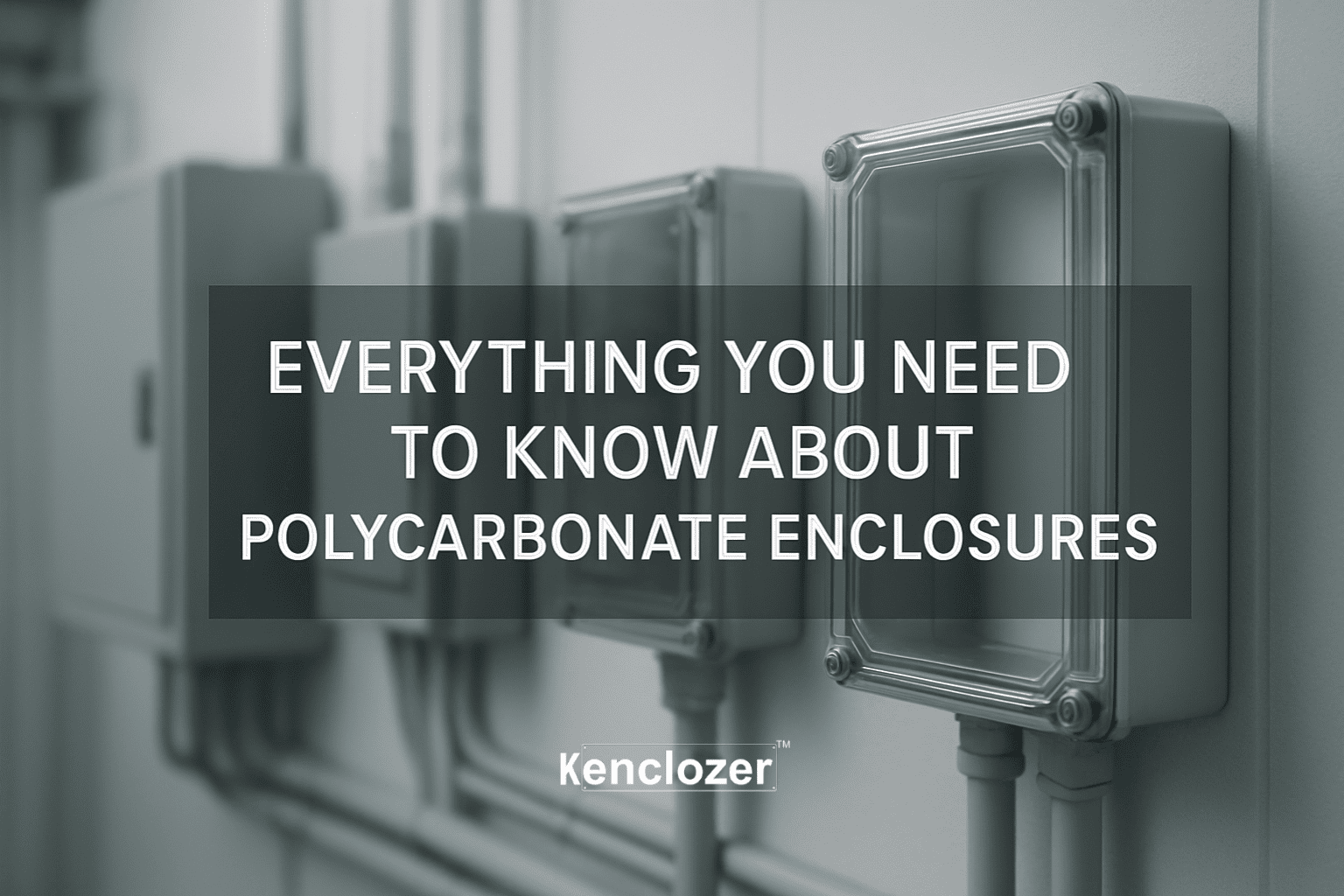
If you've ever worked with electrical or electronic systems, you understand the immense value of maintaining the integrity and safety of your equipment. There are wires, circuits and control systems that need to be protected from damage. Not only are they sensitive pieces of equipment, but dust, water, moisture, heat, and accidental bumps have the potential to damage your all-important systems enter enclosures!
Enclosures are available in a variety of materials. Plastic, metal and in the last several years, more and more enclosures are being produced from polycarbonate plastic. Polycarbonate enclosures are durable, lightweight and flexible; they can be adapted for use in anything from home solar systems, to large industrial specifications.
What Exactly Is a Polycarbonate Enclosure?
Think of a polycarbonate enclosure as protective "box" of polycarbonate plastic. Polycarbonate is a lightweight and very strong high-performance thermoplastic. Same material that our safety glasses, car headlights, and even airplane windows are made of therefore you can be sure it is a durable material.
When used as an enclosure, it is also protecting your electrical or electronic equipment against dust, rain, UV rays or unintentional damage. You will not bother over the fact that your wiring is in the air or your equipment is liable to rust because you will know that it is sealed within a heavy casing.
Why Are Polycarbonate Enclosures So Popular?
Here are a few features that distinguish them as a preferred option
- Hardy (but light): They can take a fair bit of an impact without cracking or shattering.
- Weatherproof: Ideal for outside use because they will not fade in the sun nor result in damage from weather.
- No rust: They will never rust or corrode as the metals do.
- Easy to install: They are lightweight and are therefore easier to handle than heavy metal boxes.
- See-through options: Some even come with transparent covers so you can check displays or meters without opening the box.
- Available in all shapes and sizes: Whether you need a tiny junction box or a large control panel housing, there’s probably a size for you.
The Real Benefits of Choosing Polycarbonate
- Longevity & Maintenance – polycarbonate enclosures last for years, and don't rust or wear out - What's better than that?
- Low Cost – The cost savings comes from maintenance and replacement costs in the long run. Less maintenance and less replacements costs means more savings.
- Flexible Use – you can use polycarbonate enclosures in homes, factories, solar systems, anything you can think of.
- Safe & Secure – solid electrical insulation provides an added layer of protection against shock or short circuits.
- Custom-Friendly – Most suppliers will be able to custom design the enclosure with cutouts, mounting or even branding.
Where Do People Actually Use Them?
- Electrical systems: To house junctions, wiring, and distribution units.
- Telecom setups: Protecting routers, antennas, or communication gear.
- Factories and automation: Covering sensors, controllers, and PLCs.
- Renewable energy projects: Safeguarding solar inverter connections or wind turbine equipment.
- Marine environments: They handle salty air and moisture better than metal.
- Everyday electronics: Even small devices and gadgets use mini versions.
Polycarbonate vs. Metal Enclosures – Which Is Better?
This is a question a lot of people ask. Here’s the short version:
- Weight: Polycarbonate is way lighter.
- Rust resistance: Polycarbonate will not corrode, but metal can.
- Strength: Metal is capable of negotiating extreme conditions, however, polycarbonate is remarkably impact-resistant.
- Price: Polycarbonate tends to be the winner on long term savings.
- Best use cases: If you’re outdoors or want something easy to handle, go polycarbonate. If you’re in a high-heat, heavy-duty industrial setup, metal might still be better.
How to Pick the Right Polycarbonate Enclosure
- Size is important: Be sure that your parts can fit together with some spare space.
- Check the IP rating: This tells you how dustproof and waterproof the enclosure is.
- Outdoor use? Get one with UV protection.
- Mounting style: Wall, pole, or DIN rail—choose what fits your setup.
- Need customization? Find suppliers capable of cutting out or branding.
FAQs
Conclusion
Polycarbonate enclosures are not just plastic boxes - but a smart, heavy duty, and economical option for protecting your electrical and electronic equipment. They are tough enough to be utilized outdoors, light enough for easy installation, and versatile enough for applications - from solar farms to do-it-yourself home wiring.
If you want to stop worrying and rust, heavy boxes, damaged equipment - switching your equipment to polycarbonate enclosures can save you headaches and money!