Benefits of Polycarbonate Enclosures: Why They Are the Smart Choice for Modern Electrical and Industrial Applications
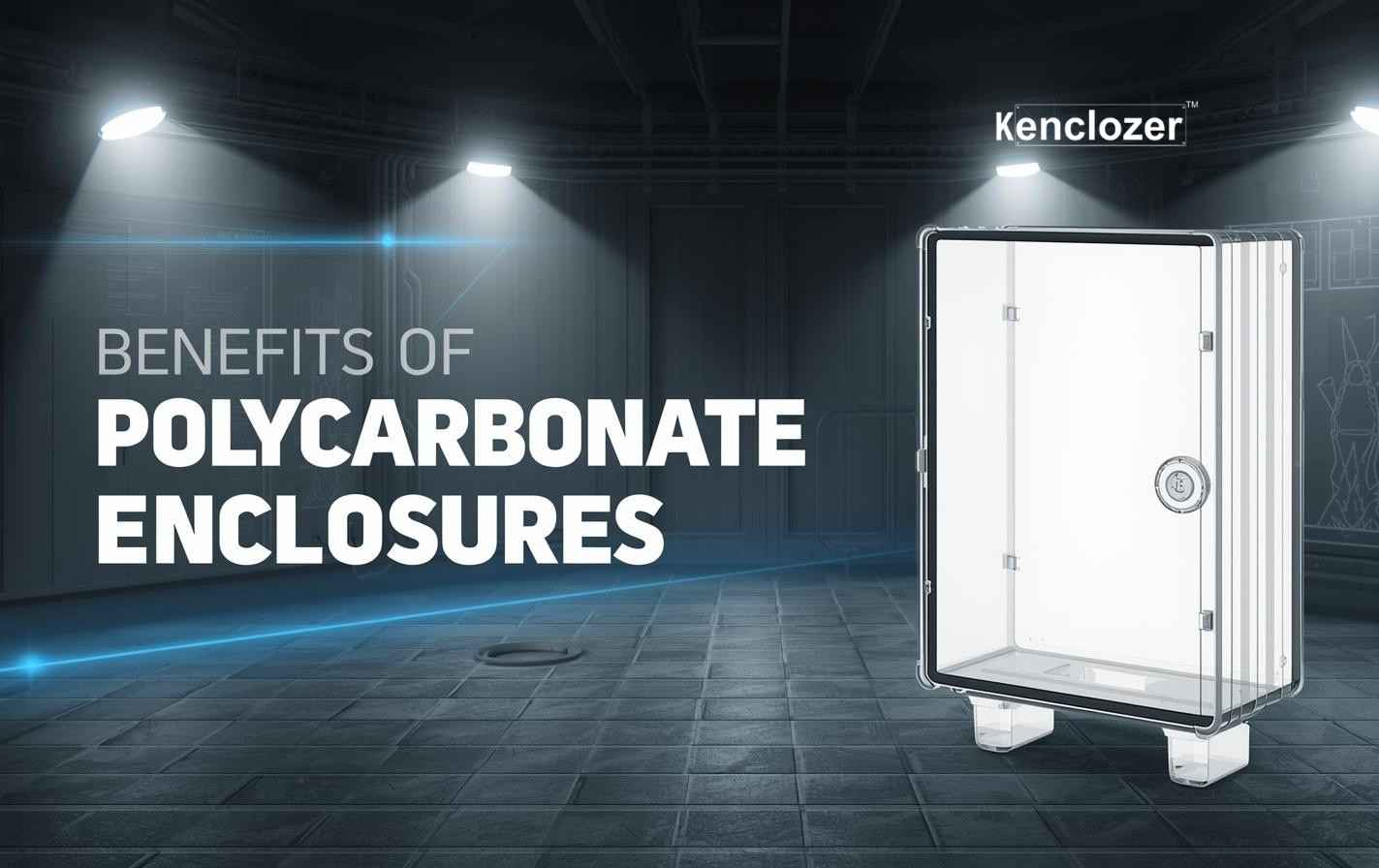
With the integration of technologies in electrical engineering, automation, renewable energy, and industrial infrastructure, the need for equipment protection that is both rugged and reliable has increased greatly. To be fair, as the systems get more complex and the surroundings harsher, the housings which protect the electrical and electronic parts become not only the safety agents but also the performance facilitators and the life extenders of the whole setup.
So, what makes polycarbonate enclosures so dominant? If we talk about the alternatives to polycarbonate, we have different kinds of metals, GRP, and ABS. To name few, customers, designers, and product developers have gradually shifted to polycarbonate enclosures as their first, second, or third choices over the last years. This is because these enclosures can deliver indomitable strength, ultimate environmental resistance, and practically limitless design freedom for any kind of application, be it indoor or outdoor.
The professional guide would be incomplete without a thorough understanding of the benefits of polycarbonate enclosures, their significance in the industry, and the reasons why they are turning into the norm of modern electrical systems.
1. Unmatched Strength and Impact Resistance
One of the main features that polycarbonate is known for is its almost indestructible toughness. In several instances, its strength is mentioned to be 200 times greater than that of glass and is also said to be markedly more impact-resistant than acrylic or any other thermoplastic. By utilizing this material for the construction of the enclosures, they become, therefore, very safe and reliable in the kind of a tough industrial environment as well as in the places subjected to the heavy traffic where there is a constant risk of impact, vibrations and a mechanical type of load.
Why This Matters
- Prevents cracks, breaks, and deformation
- Protects components during accidental impacts
- Ideal for rugged installations like solar PV systems, factories, and EV charging stations
This strength ensures uninterrupted performance and reduces maintenance or replacement costs over time.
2. Exceptional Weather and UV Protection
The exterior electrical installations are not spared from difficult conditions such as sunlight, rain, dust, and rapid temperature changes. Polycarbonate enclosures are made to be able to live with these conditions very well. Most of the top enclosures are provided with UV stabilization, thus, they do not get discolored, brittle, or their material does not degrade even if they are in the strong sun.
Key Advantages
- Outdoor use for a very long time
- Are highly resistant to water, dust, and changes in temperature
- Give the possibility of having safe electrical installations in coastal, industrial areas, and high-humidity environments
Their steadfastness under extreme situations is what makes them to be the right and excellent renewable energy, telecommunications, and outdoor automation systems choice.
3. Lightweight Yet Structurally Robust
Basically, the most significant advantage of polycarbonate would be its rather unusual strength-to-weight ratio. Metal enclosures, for instance, are undoubtedly durable but they also tend to be quite heavy and hard to handle. In contrast, polycarbonate enclosures are not only exceptionally strong but also quite light in weight by a large margin.
Benefits for Installers
- Faster and easier installation
- Reduced labor and handling costs
- Simplifies mounting on poles, walls, or elevated structures
This optimal balance makes them ideal for distributed systems such as IoT devices, CCTV installations, and solar string monitoring units.
4. Corrosion-Proof and Chemically Resistant
Unlike metal enclosures that corrode in humid or chemically active environments, polycarbonate enclosures are naturally resistant to corrosion, rust, and a wide range of chemicals.
Best Suited For
- Coastal regions
- Chemical plants
- Industrial processing zones
- Agricultural and irrigation systems
- Water treatment plants
This resistance ensures longevity and consistent protection even in the harshest operational environments.
5. Excellent Electrical Insulation and Safety
One of the largest concerns with the implementation of an electric setup is safety. Polycarbonate is a non-conductive material; thus, it greatly improves the electrical insulation.
Electrical Safety Advantages
- Prevents accidental electrical shocks
- Disallows the necessity of grounding (contrary to metal enclosures)
- Decreases the risk of short circuits
- Facilitates safe operation of technicians and installers
The intrinsic safety feature of polycarbonate makes it an excellent option for the aforementioned enclosures, that is, control panels, junction boxes, and power distribution units.
6. Transparency Options for Visual Inspection
One of the unique advantages of polycarbonate is the ability to manufacture enclosures with transparent lids or fully clear bodies. This is a major advantage over metal enclosures.
Why Clear Enclosures Are Useful
- Monitor indicators, displays, and LEDs without opening the enclosure
- Reduces downtime and inspection time
- Improves safety by avoiding unnecessary access
They are widely used in automation panels, solar controllers, and industrial meters where visibility is critical.
7. Fire-Resistant and Compliant with Global Safety Standards
Top-notch polycarbonate enclosures are compliant with tough international fire safety standards such as UL 94 V-0 and V-2 and are therefore equipped with a self-extinguishing feature. To put it simply, if fire should occur, the enclosure will aid in stopping the fire from spreading.
Why This is Important
- Critical for industrial and commercial safety compliance
- Minimizes risk to equipment and personnel
- Suitable for high-risk electrical zones
8. Highly Customizable and Easy to Work With
Polycarbonate allows for convenient drilling, cutting, machining, and customization without cracking—something not easily achieved with fiberglass or metal enclosures.
Customization Options Include
- Knockouts and cutouts for switches or meters
- Cable gland entries
- DIN rail mounting
- Branding, engraving, or printing
- Multiple sizes, shapes, and configurations
This flexibility makes it a preferred choice for OEMs, panel builders, and system integrators.
9. Excellent Cost-to-Performance Ratio
Polycarbonate enclosures deliver premium performance at a relatively lower overall cost compared to stainless steel or aluminum enclosures.
Cost Benefits
- Lower installation and maintenance expense
- No corrosion-related repairs
- Longer service life
- Reduced overall lifecycle cost
Their affordability combined with high performance makes them ideal for both large-scale industrial installations and residential applications.
10. Ideal for Modern Electrical and Renewable Energy Systems
Nowadays, the industry is changing their energy source to renewable ones. They have also been getting into automation, the internet of things, and smart infrastructure. To a great extent, these evolving technologies cannot exist without polycarbonate enclosures which are safe, strong, and versatile.
Common Application Areas
- Solar DC distribution and combiner boxes
- EV charging infrastructure
- Telecom and network systems
- CCTV and security panels
- IoT sensors and smart devices
- Industrial automation and control panels
- Battery management systems
- Residential electrical installations
Their versatility ensures reliable performance across diverse sectors.
FAQs
Conclusion
Polycarbonate enclosures are just about the ideal combination of factors such as power, security, longevity, and affordability. Their wide range of applications in different situation, features such as electrical insulation, corrosion resistance and giving users the freedom to create their own are only a few of the reasons why they have become the exceptional choice for the modern electrical and industrial systems. With such a trend of industries moving towards smarter, more reliable, and eco-friendly solutions, polycarbonate enclosures have become the new benchmark for protection and performance over the long run.
In effect, if you are involved in the design of renewable energy systems, industrial control panels, or advanced IoT devices and want to make sure your equipment is safe, then the best move you can make is to use polycarbonate enclosures. One of the most durable and future-oriented enclosure technologies available today.