How Polycarbonate Enclosures Perform in Extreme Weather
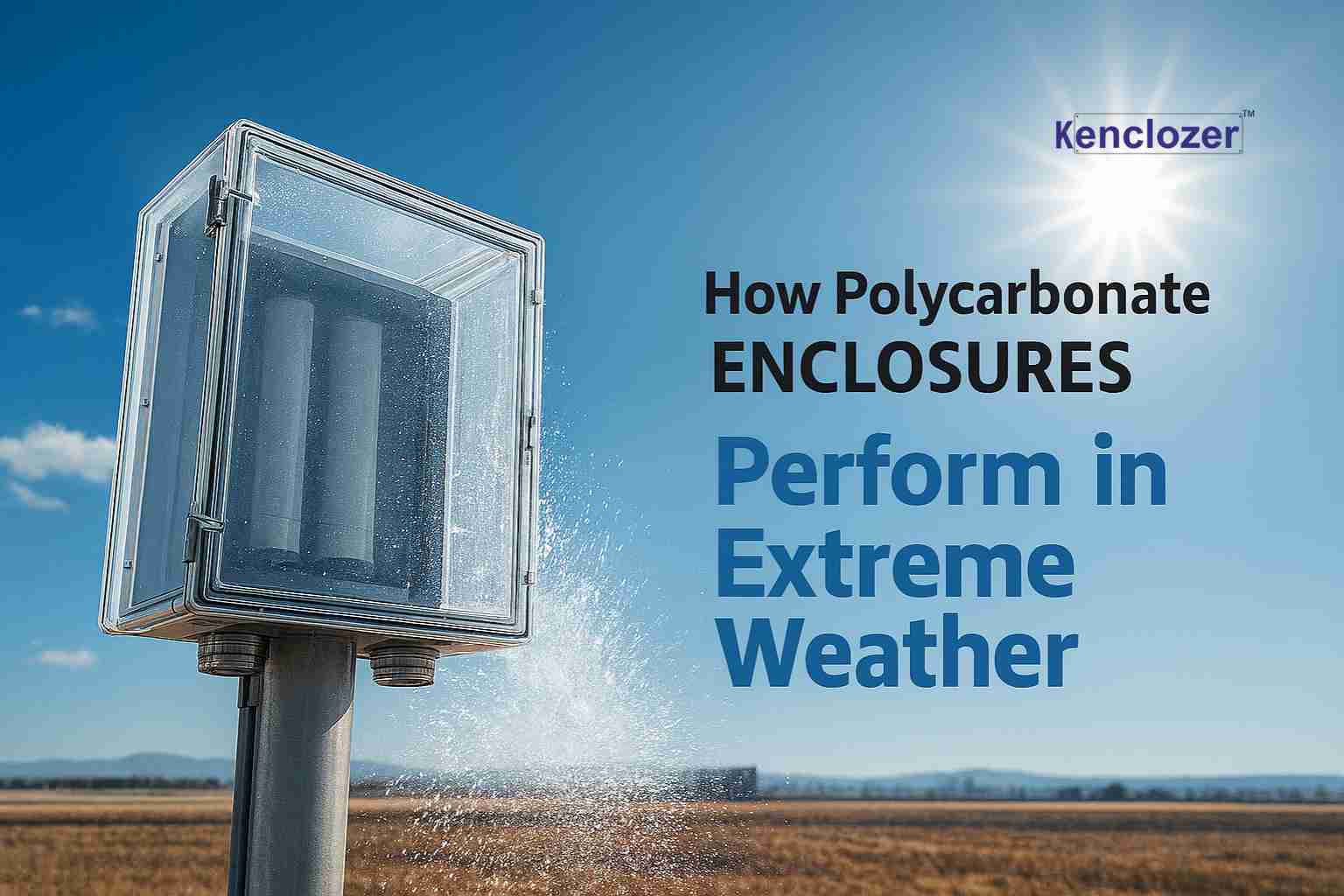
The electrical and electronic devices that are placed outside have to be able to survive different kinds of severe weather conditions such as heavy rains, hot sunlight, saltwater exposure, freezing winters, and even mechanical impact. The right housing selection is not only a protective decision; it, however, safety, lifespan, performance, and long-term maintenance costs are affected indirectly.
Comparing the various materials that are available on the market today, i.e., ABS, PVC, fiberglass, aluminium, and stainless steel, polycarbonate enclosures can be considered as one of the most reliable sources in a hard environment. Their singular combination of mechanical strength, UV stability, thermal resistance, and insulation properties makes them the most suitable ones for the most demanding outdoor applications.
1. Understanding Polycarbonate: A Material Built for Challenges
Polycarbonate is an extremely durable thermoplastic that is best known for its:
- Very high impact resistance (being 250 times stronger than glass, and 30 times stronger than acrylic)
- Thermal stability of high quality
- UV-resistant variants
- Excellent dimensional stability
- Electrical insulation properties
- Weight efficient design
In fact, the attributes pointed out are enough to position polycarbonate as the perfect material for outdoor electrical enclosures.
2. Performance at Extremely High or Low Temperatures
In the main, materials that face extremely high or low temperatures, for example, a scorching desert or freezing arctic, may become deteriorated. However, polycarbonate is a material that can maintain its performance in such conditions.
Heat Resistance
Different brand polycarbonate enclosures are in most cases able to operate within a temperature range from -40°C up to +120°C which is dependent on their respective grades. So, the polycarbonate enclosures are still able to maintain their stability without any deformation or material weakening even in places where the temperature is extremely high and exceeds 50°C.
Reason for this good performance:
- Polycarbonate has a relatively high glass transition temperature (~147°C).
- Matter of fact is, it does not get brittle when being heated.
- Thermal expansion is easy to understand and control, hence no cracking or deformation can be replaced with thermal expansion.
This makes it perfect for:
- Solar installations
- Rooftop systems
- Desert communication towers
- Industrial machinery close to heat sources
Cold Weather Performance
Many plastics become brittle in cold temperatures, but polycarbonate still keeps its impact resistance even at very low temperatures (as low as -40°C).
It resists:
- Cracks caused by thermal contraction
- Brittle fractures due to impact in cold conditions
- Fogging or internal condensation when properly sealed
This performance makes polycarbonate ideal for:
- Mountain installations
- Polar or cold-region telecom equipment
- Outdoor sensors and EV charging stations in winter-prone countries
3. UV Resistance in Intense Sunlight
Almost all plastic materials will yellow, lose their strength, and generally become worn if they are left to be exposed to ultraviolet radiation for a very long time. However, cells made of polycarbonate are endowed with the addition of UV stabilizers.
Benefits of UV stabilized polycarbonate:
- It is able to keep the material clear or even colored and not change the color for a long time
- Resists yellowing and brittleness
- Prevents microcracking on surfaces
- Ensures consistent structural performance
UV-resistant grades are extensively used in:
- Solar farms
- Traffic monitoring systems
- Railway signaling
- Oceans and coastal areas
The long-term UV resistance is the main reason why polycarbonate is better than ABS, PVC, and fiberglass.
4. Waterproof and Weatherproof Protection
Different polycarbonate enclosure models may obtain IP65, IP66, IP67, or IP68 ratings depending on the sealing design.
Explanation:
- IP65 / IP66: heavy rain, splashing water, and water jets of great intensity
- IP67: immersion for a short period of time
- IP68: continuous submersion depending on depth & duration
The gasketed designs ensure:
- No dust entry
- No water ingress
- Protection from storm-level rainfall
This makes them reliable in:
- Outdoor IoT systems
- Street lighting control boxes
- Water treatment facilities
- Agriculture & irrigation automation systems
5. Resistance to Corrosion, Chemicals, and Saltwater
Metal enclosures, mainly those made of steel, have a tendency to rust when they are in a humid, salty or a chemically active environment. Being nonmetallic, polycarbonate is sure of its high strength and longevity.
Major benefits:
- Does not rust and is impermeable to corrosion
- Fertilizers, industrial chemicals, oils, and fuels do not harm it
- Can resist salty winds in coastal and offshore areas
Thanks to this feature, polycarbonate housing units are being widely used for:
- Marine and port installations
- Offshore wind and solar equipment
- Chemical plants
- Sewage plants and water treatment systems
6. Impact and Vandal Resistance in Harsh Conditions
Polycarbonate is one of the toughest enclosure materials available. It has an extremely high impact rating and can resist:
- Flying debris during storms
- Accidental machinery impact
- Vandalism or tampering tries
For this reason, polycarbonate is a material of choice in a great number of cases for:
- Urban necessities (CCTV, communication boxes)
- Intelligent city gadgets
- Freeway control panels
- Monitoring systems from a distance
While a number of metal or fiberglass enclosures may dent or crack as a result of hail, polycarbonate is still whole and undamaged.
7. Dust, Sand, and Dirt Protection in Desert Conditions
Desert environments pose a unique challenge—constant sandblasting and dust accumulation. Polycarbonate enclosures with high IP ratings can completely block dust from entering.
How they survive deserts:
- Tight gasket seals block micro-sized dust particles
- Sandstorms don't crack or chip the enclosure
- UV stabilizers protect from desert sunlight
- Smooth surfaces prevent dust buildup
This makes them ideal for:
- Desert solar installations
- Oil and gas fields
- Mining sites
- Wind turbine monitoring systems
8. Longevity and Low Maintenance
One of the biggest advantages of polycarbonate enclosures in extreme weather is their long service life. They require:
- No repainting (like metal)
- No anti-corrosion chemicals
- Minimal cleaning
- Very low replacement frequency
This reduces total ownership cost significantly, especially in remote installations where maintenance visits are expensive.
9. Typical Applications in Extreme Weather Zones
Polycarbonate enclosures are used across multiple industries where weather exposure is unavoidable:
- Solar PV and energy systems
- Telecom & networking
- Smart agriculture and irrigation systems
- EV charging stations
- Industrial automation
- Railway signaling
- Traffic management
- Coastal monitoring systems
- Security and surveillance
Wherever long-term outdoor performance is required, polycarbonate enclosures excel.
FAQs
Conclusion
Polycarbonate enclosures have been a top choice of the most dependable and adaptable are those that have been electrically and electronically protected outdoors in severely changing weather conditions. In a test of the most challenging conditions, heat, cold, UV, heavy rain, saltwater, and even high impact, polycarbonate keeps on going better than many traditional materials.
With their featherweight, super tough, non-corroding structure, and almost unlimited service life, these are the perfect products for almost every industry-from clean energy and telecom to smart cities and agriculture.
Wherever you pick an enclosure for a far-out or very hard weather condition, polycarbonate enclosures will still give you the safest, most durable, and most performing results, and that maintenance will be kept at a minimum.