The Top 5 Benefits of Polycarbonate Electrical Enclosures
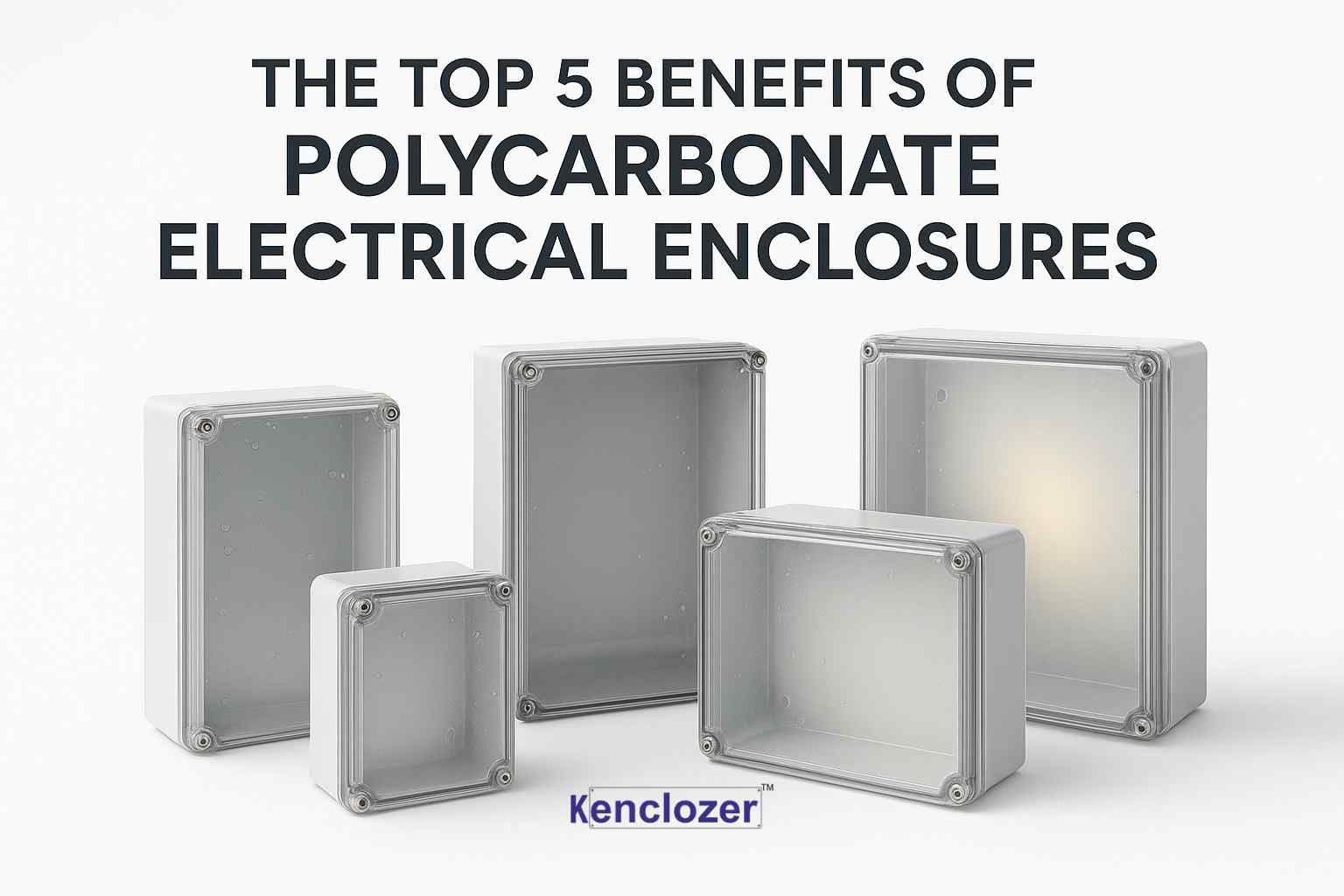
The material of the enclosure plays a significant role in deciding safety, performance, and long-term reliability in the electrical and electronics industry. With a rising demand for tough, light, and weather-resistant enclosures, polycarbonate electrical enclosures have become one of the most preferred solutions for residential, commercial, and industrial areas.
Polycarbonate (PC) is a material that is widely known for its very high resistance to impact, thermal stability, and a long service life. As a result of its use, the number of advantages which a metal or PVC electrical enclosure may have are quite limited. In any case, whether the aim is to shield the electrical components that are sensitive to the outdoor environment or to secure the automation system that is inside the industrial units, polycarbonate enclosures turn out to be the right kind of performance for any setting.
In this article, we will uncover the top five benefits of polycarbonate electrical enclosures and the reasons why they are set to become the new standard in the electrical industry.
1. Exceptional Impact Resistance
The high level of impact resistance offered by polycarbonate enclosures has enabled them to become the preferred enclosure choice for many consumers, as it is nearly 250x stronger than glass. In addition, polycarbonate is much more durable than acrylic; therefore, whenever there is a possibility of damaging mechanical devices through vibration, drops, or severe (i.e., very rough) handling - using polycarbonate is highly recommended.
Why impact resistance matters:
- It keeps internal electrical components safe
- It cuts the period of time when the operation has to be put on hold due to broken enclosures
- Construction sites, factories, and outdoor installations are perfect places to use such enclosures
- It helps in saving money through a reduced cost of replacement in the long run
Polycarbonate enclosures, on the other hand, which may dent or deform like metal ones, do not crack as they absorb the impact. Hence, they can be considered as a safe and dependable enclosure solution for demanding applications.
2. Excellent Weather and UV Resistance
Outdoor environments can be very tough on a system of wires and other electrical apparatus. In addition to the blistering sunshine and heavy downpour, the place might also be a dust storm location and may present extreme temperature variations which can very fastly wear out the typical enclosure materials.
Polycarbonate electrical enclosures are highly weather resistant and therefore, ideal for any outdoor installation. These are built to endure:
- UV radiation
- Rain and moisture
- High humidity
- Temperature fluctuations
- Dust and pollutants
Top-notch polycarbonate enclosures will not dull, get discolored or lose their strength even after long periods of exposure to the sun. Their UV-stabilized surface keeps the material from becoming brittle and thus, it remains in good working order for a long time.
Where it is of greatest importance:
- Solar power systems
- Outdoor switchboards
- Telecommunications
- Rooftop electrical setups
- Agricultural and irrigation systems
3. Lightweight Yet Strong Construction
A major advantage of polycarbonate over metal enclosures is its lightweight nature. Despite being incredibly strong, polycarbonate weighs significantly less, making it easier to transport, install, and maintain.
Benefits of lightweight enclosures:
- Reduced labor cost during installation
- Easy wall or pole mounting
- Safer handling for technicians
- Lower shipping and logistics cost
For OEMs (Original Equipment Manufacturers), the reduced weight simplifies assembly processes while still ensuring excellent protection for internal components.
4. Excellent Resistance Against Corrosion and Chemicals
Mild steel enclosures, as an example, are very vulnerable to rust and corrosion if they have been placed in an area of high moisture content and/or subjected to a chemical atmosphere, thus being made from a metal that has no corrosion-resistant coating. Stainless steel will corrode and deteriorate over time as well when exposed to chemical corrosion, particularly if it is a gas or liquid.
In short, we can deduce that Polycarbonate electrical boxes are the ideal material for harsh industrial environments because they do not rust, oxidise, do not corrode from chemical interaction with the chemical agents found in industrial environments. Examples of Polycarbonate applications include:
- Chemical plants
- Water treatment facilities
- Food and beverage manufacturing
- Marine and coastal areas
- Laboratories and Pharmaceutical industries
The superior resistance to acids, bases, oils and solvents allow polycarbonate electrical boxes to last longer in the most demanding applications.
5. Electrical Safety and Insulation Properties
Since polycarbonate is a non-conductive material, it eliminates the risk of electrical shock and short circuits. This makes polycarbonate enclosures inherently safer compared to metal enclosures.
Key electrical safety advantages:
- High dielectric strength
- No risk of accidental electric shock
- Protection against electrical leakage
- Safe working environment for technicians
These properties are essential in applications where high-voltage components are housed, or where human contact is frequent.
Additional Advantages Worth Mentioning
Even polycarbonate enclosures are highly attractive due to their top five benefits, there are a few additional advantages that users can profit from:
- Aesthetic and modern appearance: Polycarbonate enclosures deliver a neat, trendy look that is perfect for both interior and exterior designs.
- Easy customization: They are also easy to work with in terms of drilling, cutting, or modifying for cable entries, switches, indicators, or ventilation.
- Transparency: Certain polycarbonate enclosures are designed with transparent lids so that component checking can be done without the need to open the box.
- Long service life: Their ability to resist mechanical, thermal, and chemical attack gives them a longer life compared to many other traditional materials.
FAQs
Conclusion
Polycarbonate electrical enclosures are the primary means through which the systems have been shielded and thus, enclosures of various kinds made of these materials have been utilized widely in different trades. Along with these, their impact strength, weather resistance, lightweight design, corrosion resistance, and even electrical insulation properties make them a highly versatile and trustworthy choice in the field of the latest electrical applications.
Regardless if it is a case of you intending to install outdoor control panels, safeguarding industrial automation equipment, or merely protecting sensitive electronics from the elements, polycarbonate enclosures are the only ones that strike a perfect balance between safety and performance over a long period of time.
Their mix of strength, low-priced, and simple application features is what makes them stand as a most feasible enclosure resolution in today’s market.
Where to find a device capable of withstanding harsh environments and yet maintaining the safety of the electrical parts? Polycarbonate electrical enclosures seem to be one of the top choices available in the market.